Pros & Cons of Floating Floors vs Traditional Hardwood
When choosing between floating floors and traditional hardwood, Port Washington homeowners face a significant decision that impacts both their budget and long-term satisfaction. Both options offer distinct advantages and drawbacks, from installation complexity to overall durability, making it essential to understand the key differences before making your investment.
Key Takeaways
- Installation Method: Floating floors use click-lock systems without nails or glue, while traditional hardwood requires professional installation with fasteners directly into the subfloor
- Cost Range: Floating floors typically cost $3-8 per square foot for materials plus $1-4 per square foot for installation, while traditional hardwood costs $6-25 per square foot installed
- Lifespan Differences: Floating floors last 20-30 years with proper care, while solid hardwood can last 60-100 years
- Refinishing Capabilities: Traditional hardwood allows multiple refinishing cycles, while floating floors have limited refinishing options due to thinner wear layers
- Subfloor Compatibility: Floating floors work over various surfaces, including concrete, tile, and vinyl, while traditional hardwood typically requires wooden subfloors
- Maintenance Requirements: Both require similar daily care, but traditional hardwood offers more restoration options when wear occurs
Understanding Floating Floor Systems
Floating floors get their name because the planks "float" above the subfloor without being directly attached through nails, staples, or adhesive. This system has gained popularity among homeowners seeking cost-effective solutions with easier installation methods.
The engineered wood installation process involves connecting individual planks through tongue-and-groove or click-lock mechanisms. These connections create a unified floating surface that expands and contracts as one unit. Key components include:
- Click-lock technology that allows planks to snap together securely without specialized tools
- Underlayment padding that provides cushioning, sound dampening, and moisture protection
- Expansion gaps around room perimeters to accommodate natural wood movement
- Engineered construction combining real wood veneer over plywood or composite cores
This installation method works particularly well in basements, over radiant heating systems, and in spaces where traditional nailing methods prove impractical. The system's flexibility makes it suitable for installation over surfaces that traditional glue-down flooring cannot attach to, though professional installation still ensures optimal long-term performance.
Traditional Hardwood Installation Methods
Traditional hardwood flooring represents the time-tested approach that has been used for generations. Installing a hardwood floor through conventional methods involves securing solid wood planks directly to the subfloor using specialized fasteners and techniques.
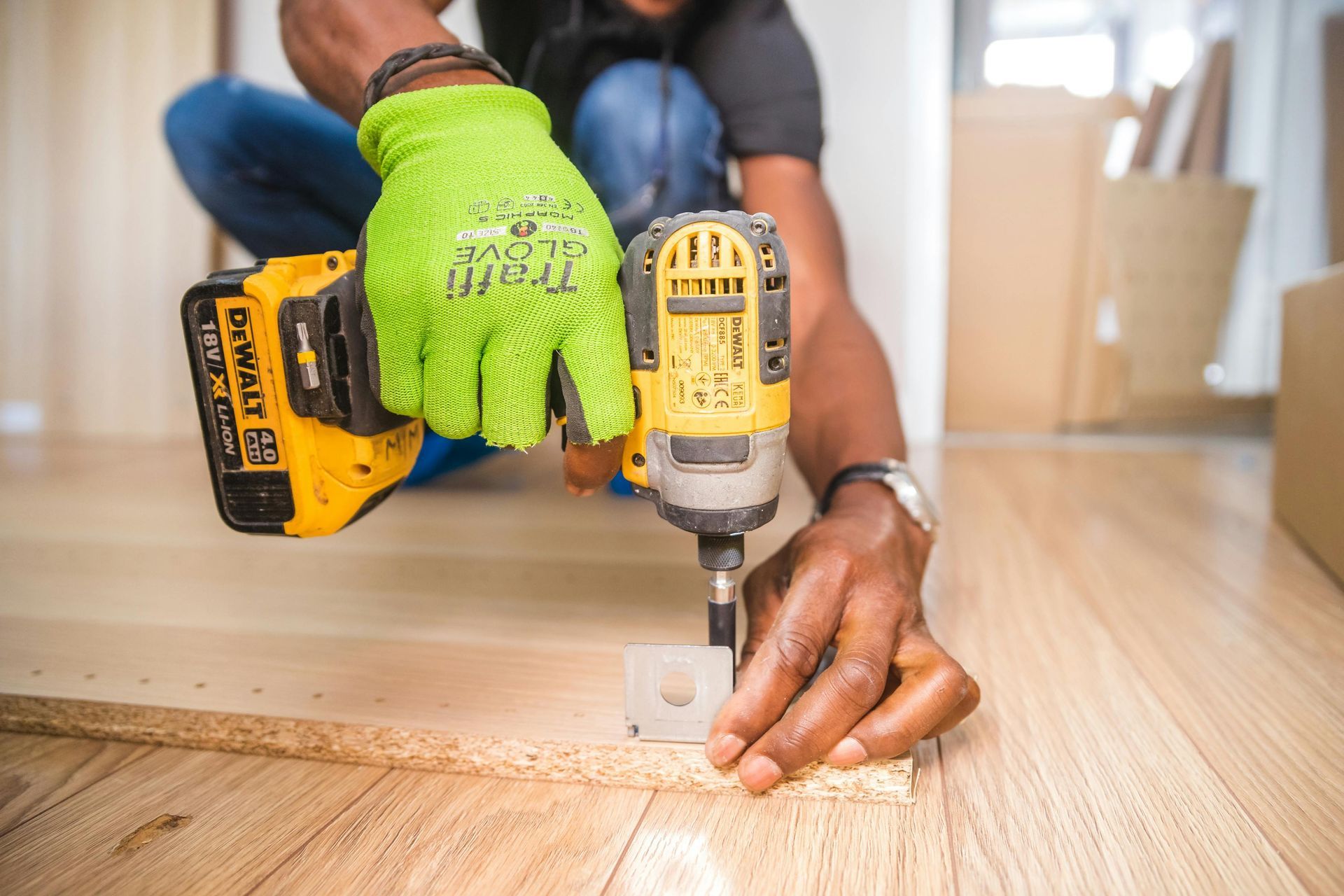
Professional installers typically charge $3-10 per square foot for labor, using specialized equipment like pneumatic nailers and miter saws to ensure precise fits and secure attachment. The comprehensive process includes several phases:
Preparation Requirements:
- Subfloor inspection and leveling to meet manufacturer specifications
- Moisture barrier installation when working over concrete
- Wood acclimation period that allows planks to adjust to room conditions
Installation Steps:
- Starter row alignment and securing using proper spacing techniques
- Progressive plank installation with face-nailing or blind-nailing methods
- Final trimming and transition piece installation
Traditional installation demands specific subfloor conditions. Nail-down methods work best over wooden subfloors, while concrete surfaces require additional preparation, including moisture barriers and sometimes sleeper systems. The hardwood flooring installation cost reflects these technical requirements and specialized labor needs.
Cost Analysis and Comparison
Understanding the financial implications helps homeowners make informed decisions about their flooring investment. The hardwood flooring installation cost varies significantly between floating and traditional systems based on multiple factors.
| Cost Component | Floating Floors | Traditional Hardwood |
|---|---|---|
| Material Cost (per sq ft) | $3-8 | $6-15 |
| Installation Labor | $1-4 | $3-10 |
| Total Range | $4-12 | $9-25 |
Floating Floor Cost Benefits: Floating installations are sought-after due to their affordable price point, with lower material costs stemming from engineered construction rather than solid wood. Labor expenses remain minimal because the simplified installation process reduces time requirements. Many homeowners can complete floating installations as DIY projects, potentially eliminating professional labor costs entirely.
Traditional Hardwood Investment Factors: Higher upfront costs reflect the premium solid wood materials and specialized installation requirements. Labor expenses can account for 50% to 70% of the total cost due to the technical expertise and time needed for proper nail-down installation. Additional preparation costs may apply for challenging subfloor conditions.
Long-term financial considerations include maintenance expenses, refinishing capabilities, and potential impact on home resale values. Hardwood flooring typically adds 70% to 80% of its cost back in home value, with buyers often paying up to 2.5% more for homes with wood floors.
Installation Complexity and Time Requirements
The installation process differs dramatically between these two flooring options, affecting both project timeline and skill requirements for successful completion.
- Floating Floor Installation: How to install engineered hardwood flooring using floating methods typically requires 1-2 days for average-sized rooms. The planks feature interlocking edges that click together without nails or glue, making installation faster than traditional methods. The process involves laying underlayment, connecting planks through click-lock systems, and maintaining proper expansion gaps around the room perimeter.
- Traditional Installation Requirements: Professional installation usually takes 3-5 days, including acclimation time, depending on room size and complexity. The process demands specialized knowledge like subfloor preparation techniques, proper fastener spacing, wood movement calculations for seasonal expansion, and transition planning between rooms and different flooring materials.
- Subfloor Compatibility Differences: Floating floors can be installed over existing flooring, such as tile, vinyl, or even another wood floor, provided the surface remains level and stable. Traditional hardwood requires specific subfloor conditions and often necessitates the complete removal of existing flooring materials.
- Tool and Skill Requirements: Floating installations need basic measuring tools, saws, and spacers, making them accessible to determined DIY enthusiasts. Traditional methods require pneumatic nailers, moisture meters, and extensive woodworking knowledge for professional-quality results.
Durability and Longevity Comparison
Long-term performance varies significantly between floating and traditional hardwood systems, influencing overall value and homeowner satisfaction throughout the floor's lifespan.
Traditional Hardwood Longevity: Solid hardwood flooring has been known to last up to 100 years with proper maintenance and care. The thick construction allows multiple refinishing cycles throughout its lifetime. Most solid hardwood comes in 3/4" planks, which are more stable and better withstand wear and tear. Key durability advantages include:
- Refinishing capability allowing 7-10 sanding cycles over the floor's lifetime
- Solid construction providing superior stability and strength
- Repair options for individual damaged planks without full floor replacement
- Proven performance across various climate conditions and usage patterns
Floating Floor Performance: Floating wood floors typically last 20 to 30 years with proper care, though some high-quality installations may extend beyond this range. Engineered hardwood flooring with thicker wear layers (3 mm or more) allows for refinishing once or twice over its lifespan, potentially adding another decade of use.
Factors Affecting Lifespan: A floating hardwood floor's lifespan is influenced by the wear layer thickness, moisture levels, room stability, and general care. Floating floors tend to have a shorter lifespan than glued or nailed-down floors, which feel sturdier and hold up better over time. Traffic tolerance varies by construction quality and finish type, while structural stability depends on proper installation and consistent subfloor conditions.
Regular maintenance extends both flooring types' lifespan, though traditional hardwood provides more comprehensive restoration options when significant wear occurs.
Daily Care and Long-term Maintenance
Both flooring options require specific maintenance approaches to preserve their appearance and functionality, though their long-term care requirements differ substantially.
Routine Maintenance Similarities: Daily care involves sweeping or vacuuming to remove debris that can scratch surfaces. Damp mopping with wood-appropriate cleaners maintains the finish without causing moisture damage. Both flooring types benefit from protective measures, including furniture pads, area rugs in high-traffic zones, climate control to maintain stable humidity levels, and prompt cleanup of spills to prevent staining.
Professional Care Services: Regular professional maintenance helps preserve warranties and ensures appropriate treatment for different finish types. Professional services understand proper cleaning techniques and product recommendations specific to each flooring type, extending the floor's life and maintaining its appearance.
Long-term Maintenance Differences: Both solid and engineered hardwood options can be refinished throughout their lives, meaning century-old floors can still look like new with proper care and maintenance. Traditional hardwood allows periodic refinishing to address scratches, dents, and wear patterns through sanding and applying new stain and finish coats.
Engineered wood flooring can only be sanded and refinished if the wear layer is thick enough: if you have a 3 mm to 6 mm wear layer, you can refinish it once or twice. Floating floors with thinner wear layers may require full replacement when significant wear occurs, limiting long-term restoration options compared to solid hardwood.
Environmental and Moisture Considerations
Understanding how each flooring type responds to environmental conditions helps homeowners make informed decisions based on their specific installation location and climate.
Moisture Resistance Differences: Floating floors generally handle humidity changes better than solid hardwood due to their engineered construction. The cross-grain layering in engineered planks provides greater dimensional stability, reducing the likelihood of cupping or warping in response to moisture fluctuations.
Traditional solid hardwood remains more susceptible to moisture-related problems, particularly in basements, bathrooms, or areas with high humidity levels. However, proper installation with appropriate moisture barriers can minimize these concerns in suitable locations.
Climate Adaptability: Both flooring types require stable indoor environments for optimal performance. Floating floors adapt more readily to seasonal changes due to their construction and installation method, while traditional hardwood may show more noticeable expansion and contraction gaps during extreme weather changes.
Frequently Asked Questions
Can floating floors be installed over existing tile or vinyl flooring?
Yes, floating floors can be installed over existing flooring, such as tile, vinyl, or even another wood floor. The existing surface must be level, stable, and properly prepared for optimal results.
How much do floating floors cost compared to traditional hardwood installation?
Engineered hardwood (floating) costs $4 to $12 per square foot total, while traditional hardwood costs $9 to $25 per square foot installed. Labor costs significantly favor floating installations due to simplified installation methods.
Which flooring option lasts longer and provides better value?
Solid hardwood floors can last 60 years or more, while floating wood floors typically last 20 to 30 years. Traditional hardwood generally provides higher long-term value through multiple refinishing capabilities and extended lifespan.
Can both types work with radiant heating systems?
Floating floors work particularly well over radiant heating systems due to their installation method and engineered construction. Traditional hardwood may require specific species selection and installation modifications for radiant applications.
What happens when individual planks become damaged?
Traditional hardwood allows individual plank replacement through cutting and fitting techniques, while floating floor repairs may require partially disassembling sections to access damaged planks. Both options offer repair possibilities with proper techniques and professional assistance.
Final Thoughts
The choice between floating floors and traditional hardwood depends on your budget, timeline, and long-term home plans. While floating floors offer accessible installation and reasonable upfront costs, traditional hardwood provides superior longevity and refinishing flexibility that often justifies the higher initial investment for homeowners planning to stay in their homes long-term.
Whether you're leaning toward floating floors or traditional hardwood, professional guidance ensures the best results for your home. Contact our flooring specialists today to discuss your project needs, get accurate cost estimates, and explore samples that match your style and budget.
References:
https://flooring.uk.com/collections/glue-down-luxury-vinyl-flooring-lvt
Share this article